Location Selection & Centre Setup
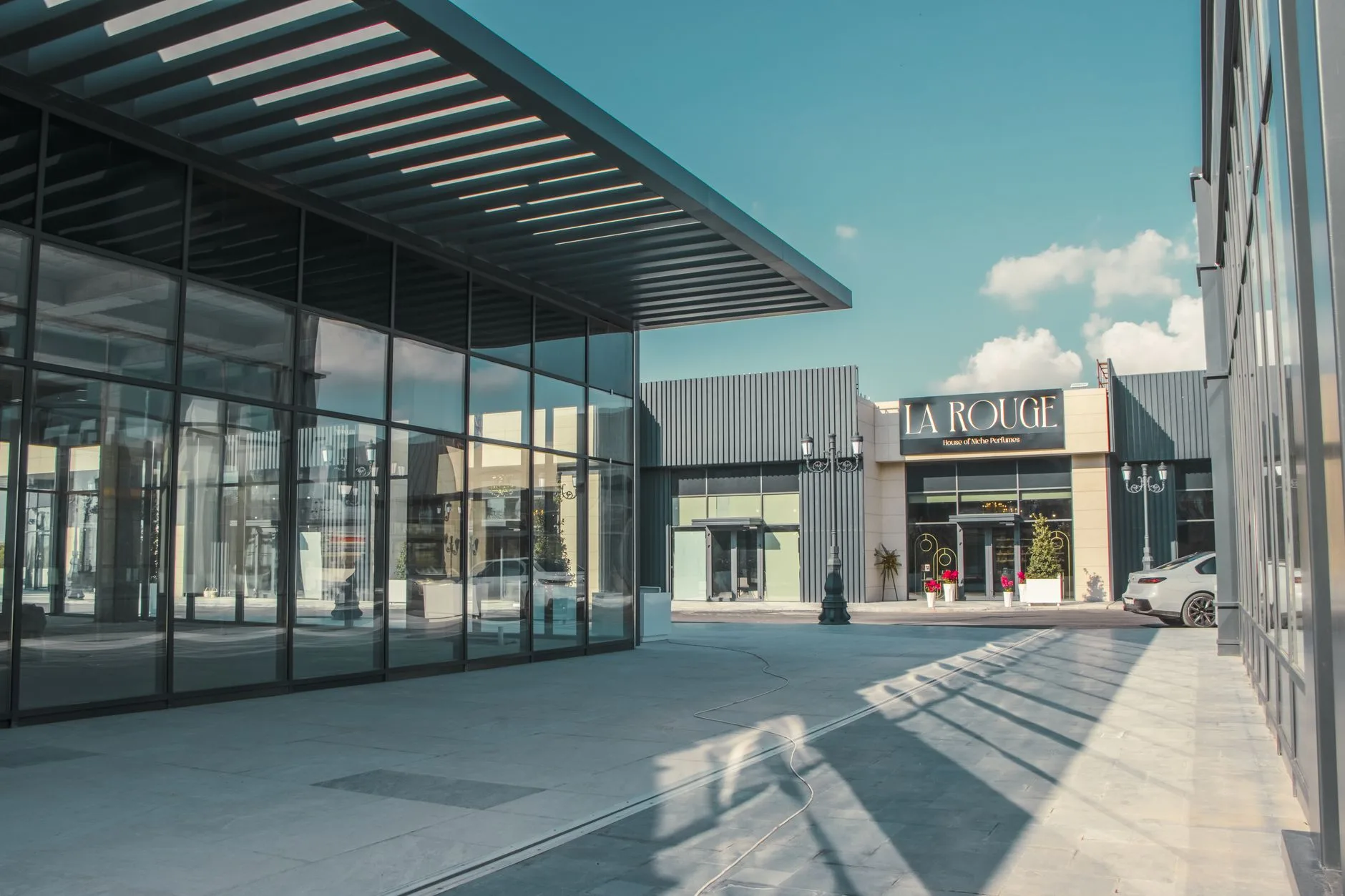
Kumon centres occupy small retail suites — 1,000 to 1,500 square feet in strip malls and shopping centres — a fundamentally different real-estate model from purpose-built childcare facilities.
The Retail Footprint
A Kumon centre is a 1,000–1,500 square foot retail suite — a storefront in a strip mall, a unit in a neighbourhood shopping centre, or a ground-floor commercial space. It is not a purpose-built facility. There is no construction phase, no architect, no playground, and no 12-month build-out timeline. The franchisee signs a retail lease, partitions the space, furnishes it, and opens.
This is one of the starkest contrasts in franchising. A Goddard School or a Primrose requires 10,000 square feet of purpose-designed space and a capital outlay that starts above $1M for a leased facility. A Kumon centre needs a fraction of the space and a fraction of the capital. The trade-off is that Kumon’s revenue ceiling is correspondingly lower — you are running a tutoring centre, not a full-day childcare operation — but the barrier to entry is fundamentally different.
What to look for in a location:
- Visibility and foot traffic. Parents need to see the centre. A second-floor office suite or an interior unit with no street frontage is a marketing handicap from day one.
- Parking. Parents drop off and pick up children twice per session. Inadequate parking creates congestion, frustration, and a safety concern that drives families to competitors.
- Proximity to schools and residential areas. Kumon students are school-age children. Centres near elementary and middle schools, or in the shopping centres where those families already run errands, draw enrolment naturally.
- Lease terms. A 3–5 year initial term with renewal options is standard. Negotiate tenant-improvement allowances where available — many landlords will contribute to the build-out of a retail suite for a multi-year tenant.
Setup Costs
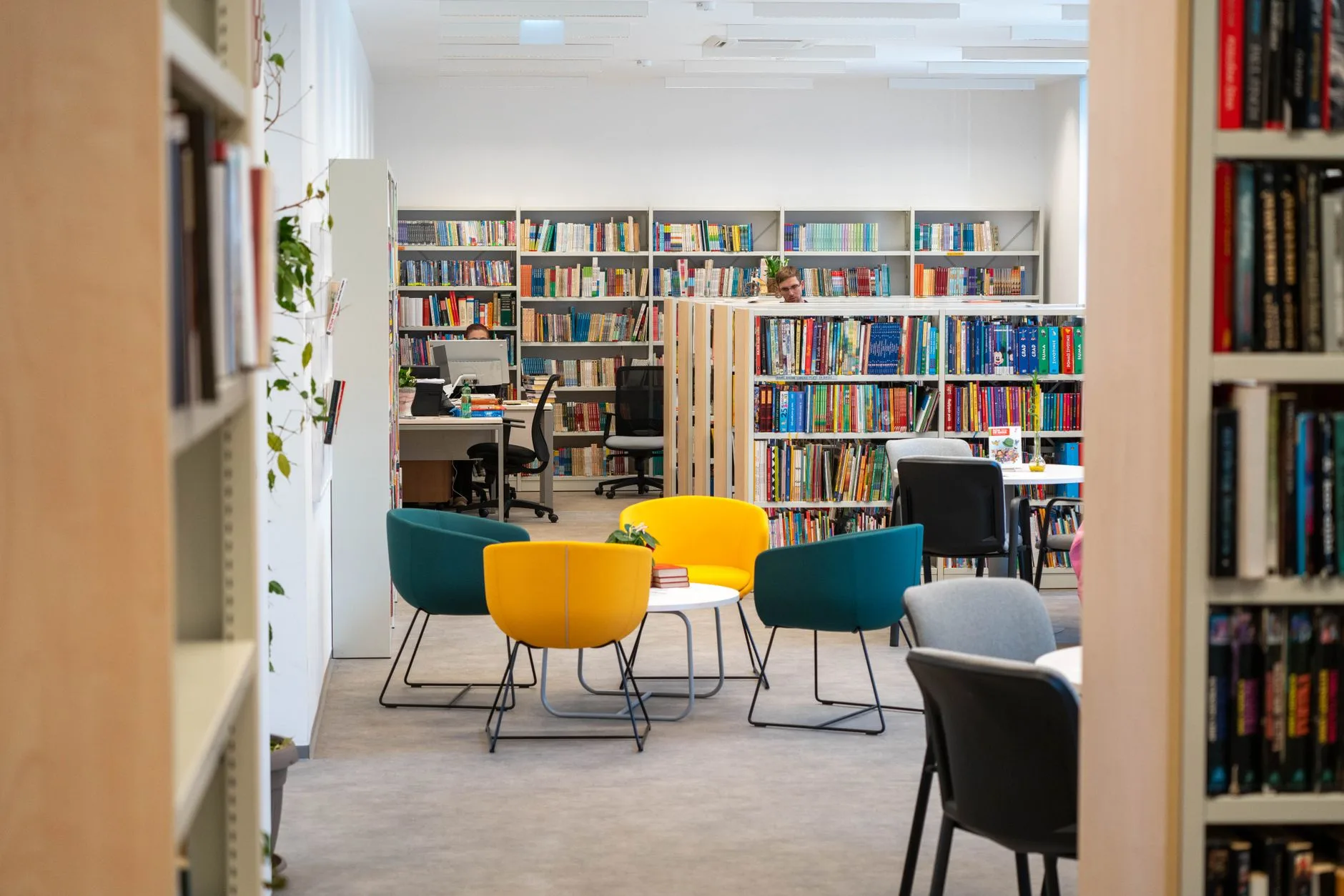
The physical build-out of a Kumon centre is modest by franchise standards. The space needs partitioning into a reception area and a work area (or areas), desks and chairs sized for the student age range, shelving for the worksheet inventory, signage, and basic technology — a computer for enrolment management, a printer, and internet access. There is no commercial kitchen, no playground, and no specialised HVAC or plumbing.
Two independent sources place the total initial investment at approximately $101,630–$233,780. That figure includes the franchise fee, leasehold improvements, furniture and equipment, initial inventory of worksheet materials, signage, insurance, and working capital to cover the ramp period before enrolment reaches breakeven.
For context: at The Goddard School, $101,630 would not cover the interior furniture for a single classroom. The Goddard build-to-suit lease path — the lowest-capital entry point for that brand — starts at roughly $1.0M. At Kumon, $233,780 is the ceiling of the entire investment. These are different businesses that happen to share the education category.
The largest variable within the range is the lease situation. A vanilla shell that needs full partitioning, flooring, and electrical work pushes toward the top. A previously finished retail suite that needs only cosmetic changes and signage lands closer to the bottom. Landlord-contributed tenant improvements — common for multi-year retail leases in shopping centres — can reduce the franchisee’s out-of-pocket further.
Investment range sourced from two independent franchise research services that report figures consistent with each other. Franchise Financing Guide has not read the current Kumon FDD directly. Verify all figures against the current Franchise Disclosure Document before making any financial commitment.
Territory & Density
Kumon operates approximately 1,710 centres in the United States — a mature network that has been growing at roughly 1% per year, adding about 21 locations year-on-year. That growth rate tells you something important: this is not an early-stage franchise racing to plant flags. The system is near saturation in many metropolitan areas, and the territories that remain are not necessarily the ones that were passed over by accident.
What territory protection means at this density depends on what Kumon actually grants. Prospective franchisees should examine the territory provisions in the Franchise Disclosure Document carefully. Key questions:
- Is the territory exclusive? Some franchise systems grant protected territories; others reserve the right to place additional units nearby. The distinction matters enormously when there are already 1,710 centres in the network.
- How is the territory defined? A radius, a ZIP code, a census tract, a drive-time polygon — each method produces a different competitive buffer. A 2-mile radius in a dense suburb is a very different territory from a 2-mile radius in a rural area.
- Can the franchisor sell online or through alternative channels? Kumon has invested in online tutoring programmes. Whether online delivery counts as competition within your territory is a question the FDD should answer.
A mature network means fewer greenfield territories. The remaining open areas may be open because they are genuinely underserved, or because previous operators evaluated them and passed. Due diligence on territory should include not just the demographics of the area but the history of franchise activity there — whether centres have opened and closed, and why.
Density also affects marketing. In markets with multiple Kumon centres, brand awareness is already established, which can reduce the marketing spend needed to build enrolment. But it also means families have a choice of centres, and the quality of the individual operator — not just the brand — determines which one they choose.
Key Takeaways
- Small retail footprint. 1,000–1,500 sq ft in a strip mall or shopping centre — no construction, no architect, no playground. The build-out is a lease signing and a fit-out, not a capital project.
- Total investment ~$101,630–$233,780. That is the entire outlay, including franchise fee, build-out, equipment, and working capital. At Goddard, that range would not cover the interior of one classroom.
- Location quality drives enrolment. Visibility, parking, and proximity to schools and residential areas are the site-selection criteria that matter. A hidden unit with poor access is a slow start.
- Mature network, limited greenfield territory. With ~1,710 US centres growing at ~1% per year, the open territories that remain need careful evaluation. Check for saturation before signing.