
Real Estate & Build-Out
The single largest cost variable — a $785K spread driven by land, construction, and security deposits. This is where the Primrose investment is won or lost.
Cost Drivers at a Glance
Land & Site Selection
Traffic counts, demographics, zoning approvals, and the 10,000–12,000 sqft footprint that Primrose requires. Location drives enrolment velocity — and enrolment drives everything.
Read more ↓Construction & Build-Out
Ground-up vs conversion economics, regional cost variation, 12–18 month timelines, and why construction overruns are the norm rather than the exception.
Read more ↓Security Deposits & Lease Terms
The $15K–$250K security deposit trap, triple-net lease structures, and why the lease terms you sign shape your returns for the next 15 years.
Read more ↓Site Selection Strategy
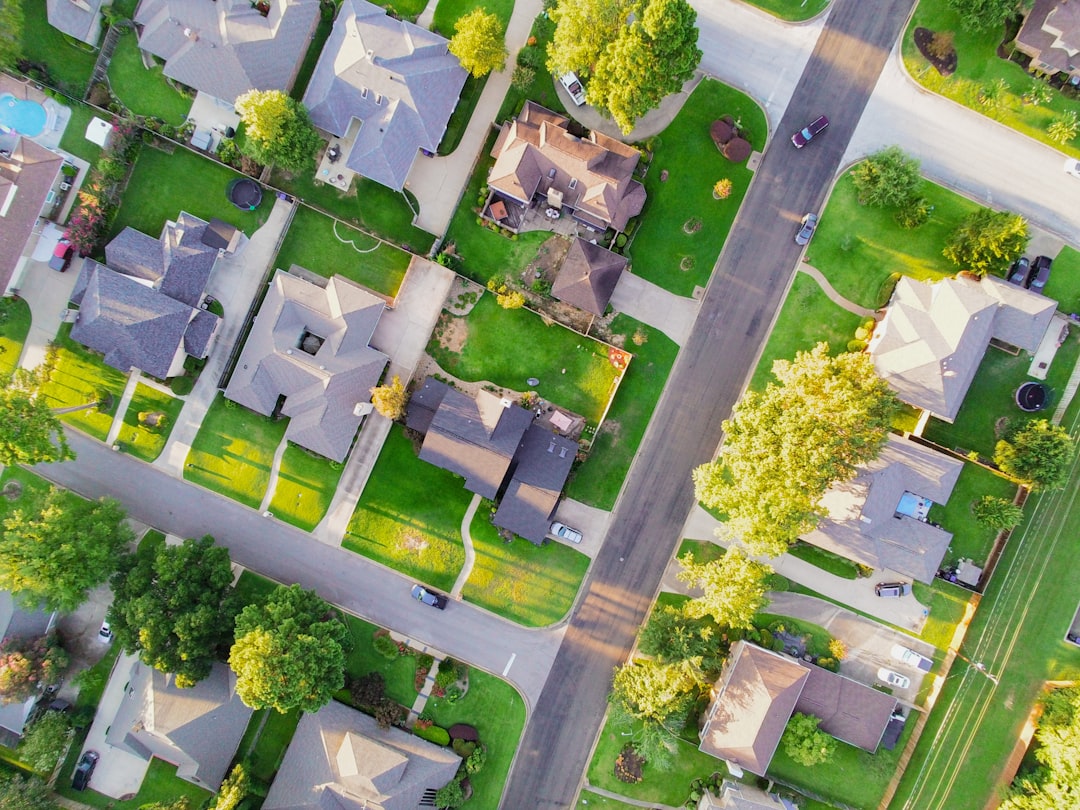
A viable Primrose site is not just any commercial parcel. The corporate prototype demands 10,000–12,000 square feet of building space on a lot large enough to accommodate an outdoor playground, parking, and parent drop-off circulation — typically 0.75 to 1.25 acres of usable land.
Beyond the physical footprint, Primrose evaluates sites on a matrix that includes average daily traffic counts (ideally 25,000+ vehicles), household density within a 3–5 mile radius, median household income, and the concentration of dual-income families with children under five. Zoning is critical: many municipalities classify child care centers as conditional-use, requiring public hearings and site-plan approvals that can add 3–6 months to the timeline.
The franchisee does not have final say on site selection. Primrose corporate must approve every location, and they routinely reject sites that meet demographic thresholds but fail their internal scoring on visibility, ingress/egress safety, or competitive saturation. This gating process protects the system — but it also means the real estate search can take 6–12 months before construction even begins.
Investors who underestimate the site-selection phase consistently underestimate their total pre-revenue capital burn. Carrying costs on land under contract, architectural deposits, and legal fees accumulate while you wait for corporate and municipal approvals to align.
Build-Out Economics
The FDD discloses a total investment range of $743K to $1.53M, and the build-out is the dominant variable within that range. Ground-up construction on a purchased or leased site accounts for the majority of the spread. Conversion of an existing commercial building can reduce costs, but Primrose’s design standards are exacting — proprietary classroom layouts, specific ceiling heights, playground specifications, and security system requirements leave limited room for cost-cutting through adaptive reuse.
Ground-Up vs Conversion
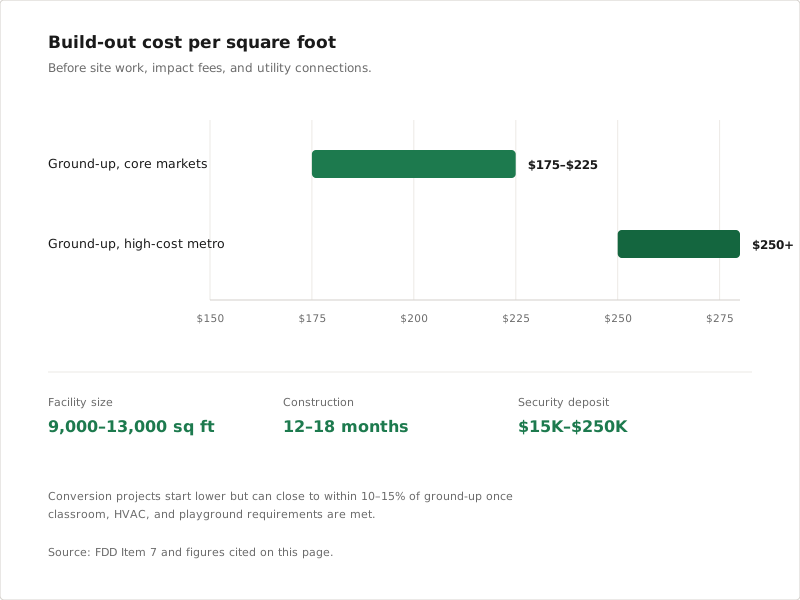
Ground-up construction gives investors the cleanest path to a Primrose-standard facility, but it is also the most capital-intensive. Typical ground-up costs range from $175 to $225 per square foot depending on the market — and that is before site work, impact fees, and utility connections. In high-cost metros (Northeast corridor, coastal California, parts of Texas), per-square-foot costs can push past $250.
Conversion projects start lower on paper, but hidden costs erode the savings quickly. Structural modifications to meet Primrose’s classroom-size requirements, HVAC upgrades for child care ventilation standards, and playground buildout on parcels that were never designed for outdoor use can close the gap to within 10–15% of ground-up costs.
Regional Variation
Construction costs vary dramatically by market. A Primrose build-out in suburban Atlanta or the DFW metroplex — the brand’s historical strongholds — may come in at the low end of the FDD range. The same facility in suburban Denver, Northern Virginia, or the Raleigh-Durham triangle can run 30–40% higher. Labor availability, permitting timelines, and local material costs are the primary drivers.
The Security Deposit Trap
The FDD discloses a security deposit range of $15,000 to $250,000. That is not a typo. In markets where Primrose-suitable sites are scarce and landlords have leverage, security deposits can consume a meaningful portion of the franchisee’s liquid capital — capital that was earmarked for operating reserves. Investors should model security deposits as a separate line item, not an afterthought folded into “miscellaneous startup costs.”
Lease vs Own: The EBITDA vs EBITDAR Question
The lease-vs-own decision is not merely a financing question — it fundamentally changes how the business is valued and how lenders underwrite it. Primrose franchisees who own their real estate report EBITDA margins roughly 11 percentage points higher than those who lease, because rent disappears from the operating expense line. But the capital required to purchase land and build a facility can push total investment past $2M, well above the FDD’s disclosed range.
This is where the distinction between EBITDA and EBITDAR becomes critical. EBITDAR adds rent back to earnings, creating a more apples-to-apples comparison between owners and lessees. Lenders and franchise brokers frequently cite EBITDA when the operator owns the real estate, making the unit look more profitable than a leased unit — even when the underlying operational performance is identical. Sophisticated buyers insist on seeing both metrics side by side.
SBA 504: Built for This
The SBA 504 loan program was specifically designed for owner-occupied commercial real estate. It offers below-market fixed rates on the CDC (Certified Development Company) portion, with loan-to-value ratios up to 90% on the real estate component. For a Primrose franchisee planning to own their facility, 504 financing can reduce the equity injection to 10–15% of the real estate cost — a meaningful difference when the land and building represent $800K to $1.2M of the total investment.
However, 504 adds complexity: two closings (the bank loan and the CDC debenture), longer processing timelines, and collateral requirements that tie the property to the SBA for the life of the loan. Franchisees who plan to sell within 5–7 years may find the prepayment penalties and assumption restrictions of 504 financing outweigh the rate advantage.
What This Means for Your Model
If you lease, model your returns using EBITDAR as the primary profitability metric and stress-test against rent escalation clauses (typically 2–3% annually on a 15-year triple-net lease). If you own, model using EBITDA but include debt service on the real estate loan as a separate cash flow line. In either case, the real estate decision is the single largest lever in your pro forma — it deserves the same rigor you apply to enrolment projections and staffing models.
SBA 504 Is Designed for Real Estate
The Primrose build-out is exactly the kind of owner-occupied commercial real estate the SBA 504 program was created for. Below-market fixed rates, up to 90% LTV, and 20–25 year terms can fundamentally change your capital stack.
Explore SBA 504 options →