October 2026
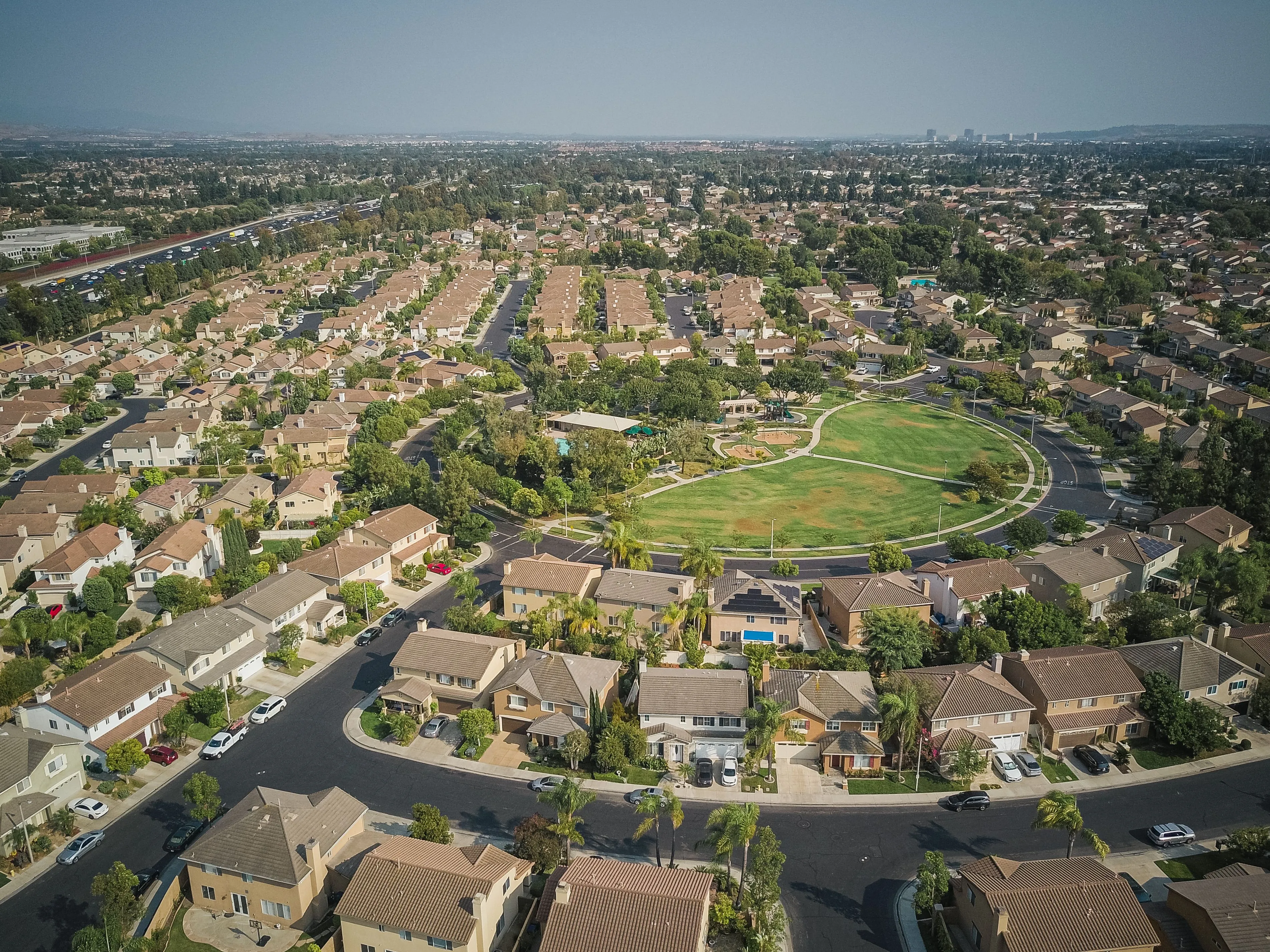
The $20K Tuition Filter: How to Know Whether Your Market Can Actually Support a Goddard School
Goddard’s $20K+ tuition requires $150K+ household income. 51% of census tracts are childcare deserts — but most can’t support premium pricing. The site selection math.
Read →
The SBA 504 Path: Why Goddard’s Real Estate Model May Be the Best Fit for the Government’s Cheapest Commercial Loan
Goddard’s owner-occupied real estate model is a perfect fit for SBA 504 — fixed rates, 10% down, and an interest reserve that covers payments during enrollment ramp.
Read →
The Sycamore Factor: What Private Equity Ownership of Your Franchisor Means for Your 15-Year Bet
Sycamore Partners bought Goddard in 2022. Since then: accelerated growth, fee increases, multi-unit consolidation. What PE ownership means for your 15-year bet.
Read →
The 15-Year Lock: What Goddard’s Franchise Agreement Actually Says About Your Rights, Restrictions, and Renewal
Goddard’s 15-year term is the longest in childcare franchising. Renewal means signing a new agreement. Here’s what the contract says about your rights and exit.
Read →
The Insurance Crisis: Why Liability Premiums Are the Sleeper Cost That Could Reshape Your Goddard P&L
NAEYC found 65% of childcare providers face closure from insurance costs. A Goddard school’s premiums run $40K-$80K/year — and the FDD doesn’t break it out.
Read →
The Transfer Fee Stack: $87,500 in Exit Costs and What It Means for Your Goddard Resale Math
Selling a Goddard franchise triggers $87,500 in transfer fees before broker costs. At typical childcare multiples, that’s 16-18% of your goodwill. The full exit math.
Read →
The FUND Score Halo: What Goddard’s 930 Rating and 1.2% Default Rate Actually Mean for Your SBA Application
Goddard's 930 FUND score and 1.2% SBA default rate are the strongest lending credentials in childcare franchising. Here's what they actually mean for your specific deal.
Read →
The Validation Call Playbook: 25 Questions That Surface What the FDD Cannot Tell You About Owning a Goddard School
The FDD tells you what Goddard discloses. Validation calls tell you what it's like to live inside those numbers. 25 childcare-specific questions, organized by risk.
Read →
The 18-Month Cash Drain: What Nobody Tells You About Goddard’s Enrollment Ramp and the Capital You Actually Need
Goddard's $350K liquidity requirement is the floor, not the ceiling. Construction delays, full staffing on partial enrollment, and 18-24 month breakeven — the real capital math.
Read →
The GSFOA Complaint: What a Franchisee Association’s Challenge to Goddard’s FDD Means for Your Due Diligence
A franchisee association representing 100+ Goddard locations filed a complaint about FDD disclosure practices. Here's what it says and the questions it raises.
Read →
The Staffing Math: Why Your State’s Licensing Ratios Are the Biggest Variable in Your Goddard P&L
State licensing ratios create a 30-40% labor cost gap between Goddard locations. Colorado's 1:4 infant ratio vs Kentucky's 1:5 compounds across every age group.
Read →
The Subsidy Shield: Why Goddard’s Premium Price Point May Be Its Best Defense in 2026’s Childcare Market Upheaval
KinderCare closed 49 centers in three months. Goddard closed one school in all of 2025. The difference is price point — and the 2026 CCDF rule is about to test whether that advantage holds.
Read →
The 11.2x Spread: What $574K vs $6.4M in Goddard School Revenue Actually Tells You About Your Odds
Goddard’s $2.5M average revenue masks a spread from $574K to $6.4M. The distribution shape matters more than the headline. Here’s the math that actually helps.
Read →
The Three-Path Investment: Why Every Goddard School Cost Figure Online Is Answering the Wrong Question
Goddard costs $1.0M, $1.7M, or $5.5M+ depending on how you open it. Every aggregator blends these into one misleading range. Here’s what the FDD actually shows.
Read →