
Mexico, Dubai, and 1,000 Studios: What Hotworx’s Global Expansion Means for Your Domestic Franchise
International growth sounds like a win. Whether it actually benefits you depends on where the resources go.
The $300K Question Behind the Press Releases
In March 2026, Hotworx signed a master franchise agreement for Mexico, planning 200+ studios led by top Texas franchisee Karla Ramos. The brand is already operating in Dubai, Canada, Saudi Arabia, and Ireland. The stated goal: 1,000 global locations by end of 2026.
For a prospective domestic franchisee investing $258K–$359K in a single U.S. studio, this raises a question the franchise sales process won’t volunteer: does international expansion make your investment better — or does it mean the franchisor’s attention and resources are increasingly pointed elsewhere?
The honest answer: it depends on how the expansion is structured, and there are legitimate arguments in both directions.
The Bull Case: Why International Expansion Could Help You
Brand Scale and Recognition
More locations worldwide means more brand awareness. As Hotworx approaches 1,000 studios globally, it crosses a threshold of visibility that benefits every location in the system. A brand with international presence signals stability and longevity to consumers — useful when you’re competing against local boutique studios with no name recognition.
The Franchise 500 ranking — where Hotworx jumped from #95 to #58 in one year — reflects this growth narrative. Higher rankings attract more prospective franchisees, which attracts more capital, which funds more corporate resources. It’s a flywheel, when it works.
Supplier Leverage
A 1,000-studio system has more purchasing power than an 800-studio system. If Hotworx negotiates equipment, technology, or marketing deals at a system level, more units means better pricing. This can directly benefit domestic franchisees through lower equipment costs, better technology platforms, and more efficient national marketing.
Innovation Funding
International expansion generates franchise fees and royalties that fund corporate operations — including technology development (TrainingTRAX AI), marketing campaigns, and operational support. A larger system generates more revenue to reinvest in tools and infrastructure that benefit every franchisee.
The Bear Case: Where International Expansion Creates Risk
Management Attention Dilution
This is the most concrete risk. A franchisor managing locations across the U.S., Mexico, Dubai, Canada, Saudi Arabia, and Ireland is juggling:
- Multiple regulatory environments
- Different consumer expectations and market dynamics
- Currency exposure and cross-border financial complexity
- Time zone challenges for operational support
- Multiple language requirements for training and marketing materials
Hotworx’s corporate team is not infinitely large. Every hour spent navigating Mexico City real estate regulations or Dubai licensing requirements is an hour not spent supporting a struggling studio in suburban Atlanta.
What to watch for: During Discovery Day and validation calls, ask franchisees who opened in the last 12 months: has the quality or responsiveness of corporate support changed? Are field support visits happening on schedule? Are training resources being updated? These are the early warning signs of attention dilution.
Marketing Fund Allocation
Hotworx franchisees contribute to a system-wide marketing fund. As the system goes international, how that fund gets allocated becomes a legitimate question:
- Are domestic marketing dollars being redirected to support international market launches?
- Does the brand’s marketing messaging shift to accommodate international audiences at the expense of domestic relevance?
- Are local marketing co-op funds still adequate for your market’s competitive landscape?
The franchise agreement and FDD should specify marketing fund usage. Read those sections carefully with your franchise attorney. If the language permits international use of domestic fund contributions, that’s a risk factor.
Supply Chain Complexity
International operations create supply chain complexity. Equipment manufacturing, technology platforms, and support infrastructure must now serve a global system. Potential impacts:
- Equipment lead times could increase if manufacturing capacity is stretched across international orders
- Technology development resources split between domestic feature requests and international localization
- Spare parts and replacement equipment logistics become more complex
The equipment lifecycle analysis on this site models replacement costs. If supply chain complexity adds delays or cost to that replacement process, domestic franchisees bear the impact.
The Master Franchise Model for Mexico
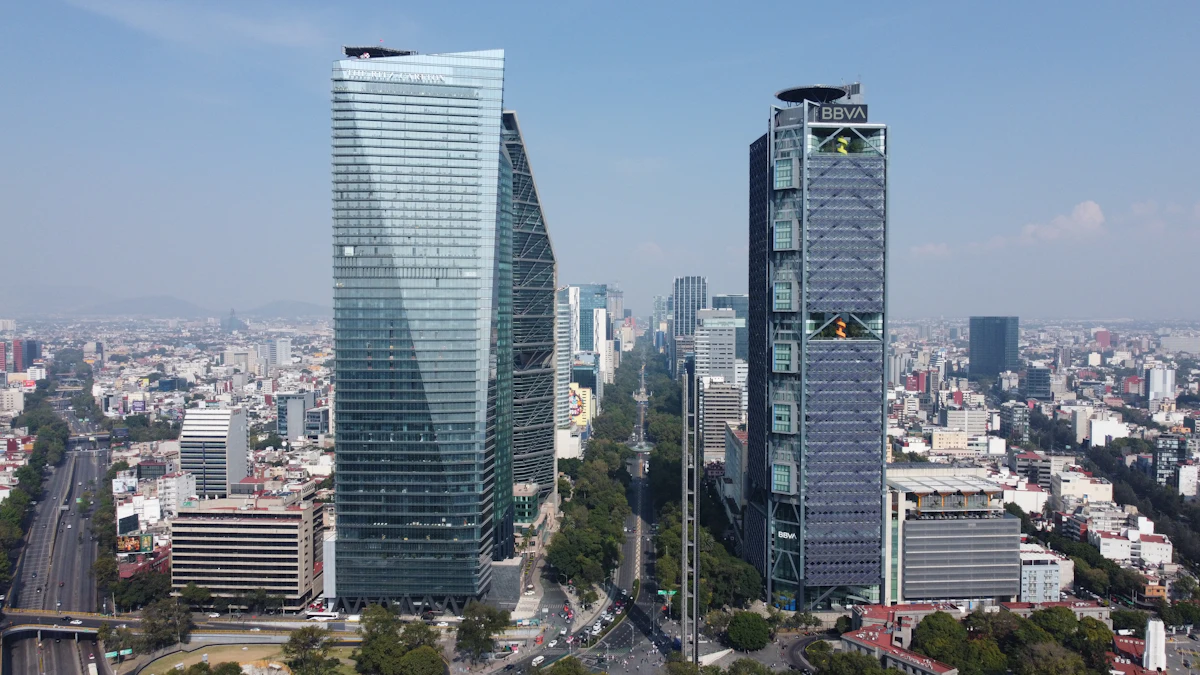
The Mexico expansion uses a master franchise model — Karla Ramos acts as the franchisor within Mexico, recruiting, training, and supporting sub-franchisees. This is a different structure than direct franchisor-to-franchisee, and it introduces a layer of operational abstraction.
Master franchise models work well when the master franchisee is excellent. When they struggle, the brand damage can be significant — and it doesn’t stay in Mexico. Social media doesn’t respect borders. A brand-damaging incident at a Mexico City location will surface in Google results when a prospective member in Denver searches “Hotworx.”
The Data Points That Matter
Rather than speculating, ground your evaluation in data available during due diligence:
From the FDD
- Item 20 (Outlets): How many domestic locations opened and closed in the last three years? Is the domestic growth rate accelerating, stable, or decelerating? If domestic growth is slowing while international expansion accelerates, that’s a signal about where the franchisor sees opportunity — and it may not be in your market.
- Item 21 (Financial Statements): Are international operations profitable, or are they being subsidized by domestic royalties during the launch phase? Audited financials should reveal whether international expansion is self-funding or consuming domestic-generated resources.
- Item 6 (Fees): What exactly does the marketing fund cover? Are there restrictions on international use of domestically contributed funds?
From Validation Calls
Ask existing franchisees:
- Have you noticed any change in corporate support quality or responsiveness in the last year?
- Do you feel the franchisor is as focused on domestic operations as it was when you signed?
- Has equipment delivery timing changed?
- Are you aware of how your marketing fund contributions are being used?
From the Franchisor
Ask directly during Discovery Day:
- What percentage of corporate headcount is dedicated to domestic vs. international operations?
- How is the marketing fund allocated between domestic and international?
- What safeguards exist to prevent international brand incidents from affecting domestic locations?
- Is the 1,000-studio target organic growth or does it include studios that may not yet be built?
How Other Franchises Have Handled This
International expansion is not new to franchising. The pattern from other systems:
- Orangetheory Fitness expanded internationally while maintaining strong domestic support — but OTF has a much larger corporate team and deeper capitalization. The comparison isn’t apples-to-apples with a younger brand.
- F45 Training expanded aggressively internationally and experienced significant domestic franchisee distress during the same period. Correlation isn’t causation, but the resource allocation question was central to franchisee complaints.
- Planet Fitness took a measured approach — building domestic density before pursuing international markets. By the time they went global, the domestic system was mature enough to sustain itself with less corporate intervention.
The question for Hotworx: at 800+ domestic studios and 8 years old, is the domestic system mature enough to sustain itself while corporate attention shifts globally? The franchisor financial health analysis on this site provides context on the corporate balance sheet’s capacity to support parallel domestic and international operations.
The Bottom Line for Domestic Investors
International expansion is neither inherently good nor bad for your domestic franchise. It’s a variable that adds complexity to your investment thesis. The right approach:
- Don’t treat it as a pure positive. The franchise sales team will frame global growth as brand strength. It can be — but it also creates resource allocation risks.
- Ask specific questions. Not “how’s international going?” but “what percentage of corporate field staff is dedicated to domestic markets this year versus last year?”
- Monitor after signing. Corporate support quality, equipment lead times, and marketing fund transparency are the canary-in-the-coal-mine metrics. If they degrade, the cause may be international resource diversion.
- Model conservatively. Assume corporate support may be somewhat diluted compared to the level experienced by the first 500 domestic studios. If your financial model still works under that assumption, you’ve built in appropriate margin.
For the full competitive landscape context — including how Hotworx compares against Orangetheory and F45 on unit economics, support, and market positioning — read our head-to-head franchise comparison.
FAQ
Is Hotworx expanding internationally?
Yes. As of 2026, Hotworx operates in the U.S., Canada, Dubai, Saudi Arabia, and Ireland, and has signed a master franchise agreement for 200+ studios in Mexico. The stated goal is 1,000 global locations by end of 2026.
Does Hotworx’s international expansion affect domestic franchisees?
Potentially. International growth can benefit domestic franchisees through brand scale, supplier leverage, and innovation funding. Risks include management attention dilution, marketing fund reallocation, and supply chain complexity. The net impact depends on how the franchisor allocates resources between domestic and international operations.
Who is leading Hotworx’s Mexico expansion?
Karla Ramos, a top-performing multi-unit Hotworx franchisee based in Texas, signed the master franchise agreement for Mexico. Her Laredo, Texas studio will serve as the flagship training center for Mexican franchisees. The first Mexican location is planned for Monterrey.