All articles
Every analysis we have published across all four brands — 152 in total, newest first.
Hotworx 72
The Building Code Blindside: What Your Fire Marshal, Electrical Inspector, and ADA Auditor Will Say About Your Infrared Studio
You budgeted $350,000 for your Hotworx studio. Then the inspectors arrived. The $26K-$75K compliance cost stack nobody models.
Read →
The Due Diligence Budget Nobody Publishes: What Investigating a Hotworx Franchise Actually Costs
Every franchise article starts with the Item 7 range. None mention the $8K-$15K you should spend investigating before you commit. This is that budget.
Read →
The Technology Fee Ratchet: What the Franchise Agreement Actually Says About Hotworx’s Right to Raise Your Tech Costs
The $695 flat royalty hasn't changed. The technology stack has tripled. What the franchise agreement says about Hotworx's right to raise your tech costs.
Read →
The $22,800 Per Studio Brand Question: What CycleBar’s Fire Sale Tells You About How Much Your Franchise Brand Is Actually Worth
Xponential sold 307 CycleBar and Rumble studios for $7M — $22,800 each. What does franchise brand equity actually cost at liquidation? The math changes everything.
Read →
The Competitor Autopsy Protocol: How to Research Every Boutique Fitness Failure in Your Target Market Before You Sign
135 OTF closures, F45 at 9.6% failure rate — but what happened in YOUR market? A step-by-step framework for researching local studio failures before you sign.
Read →
The 1,000-Studio Threshold: What Historically Happens to Franchise Systems After They Cross Four Digits
Hotworx targets 1,000 studios by spring 2027. F45 collapsed, Massage Envy contracted, Orangetheory franchisees organized. What the pattern means for buyers.
Read →
The 444-Member Denominator: What 400,000 Members Across 900 Studios Tells You About Per-Studio Economics
400K members across 900 studios = 444 per location. Boutique benchmarks start at 800. What the system-wide average tells you about per-studio economics.
Read →
The Xponential Q2 Inflection: What −6.8% Same-Store Sales, a Record FTC Settlement, and a 19% Guidance Cut Mean When You’re Comparing Franchise Systems
Xponential's Q2 2026 shows accelerating decline: -6.8% same-store sales, $17M FTC settlement, 19% guidance cut. How to read these signals in any franchise FDD.
Read →
The Financial Records Test: Why Your Hotworx Studio’s Bookkeeping Quality Now Determines Whether the Deal Closes
October's SBA rules killed projection-based underwriting. Your studio's bookkeeping quality now determines if a resale deal closes.
Read →
The Week-One Lender Reality: What Your Hotworx SBA Application Actually Faces Now That October 1 Has Passed
SBA SOP 50 10 8.1 is live. DSCR raised to 1.25x, projections banned, equity injection non-waivable. What Hotworx buyers face in week one.
Read →
The Multi-Unit Expansion Economics: How Hotworx's Unit Economics Change From Studio One to Studio Five
How Hotworx's flat royalty, fixed tech fees, and SBA capacity create a specific expansion calculus from studio one to studio five.
Read →
The 78% Problem: What Happens to Hotworx Resale Inventory When Three-Quarters of Buyers Can’t Finance an Acquisition
78% of franchise buyers use SBA financing. October rules target acquisitions specifically. Here's the aggregate market impact on Hotworx resale values.
Read →
The Q1 2027 Due Diligence Calendar: Your 90-Day Playbook for the Waiting Period Between October Anxiety and January Clarity
Decided to wait past October 1? Here's your week-by-week playbook to arrive in January ready to sign — not just three months older.
Read →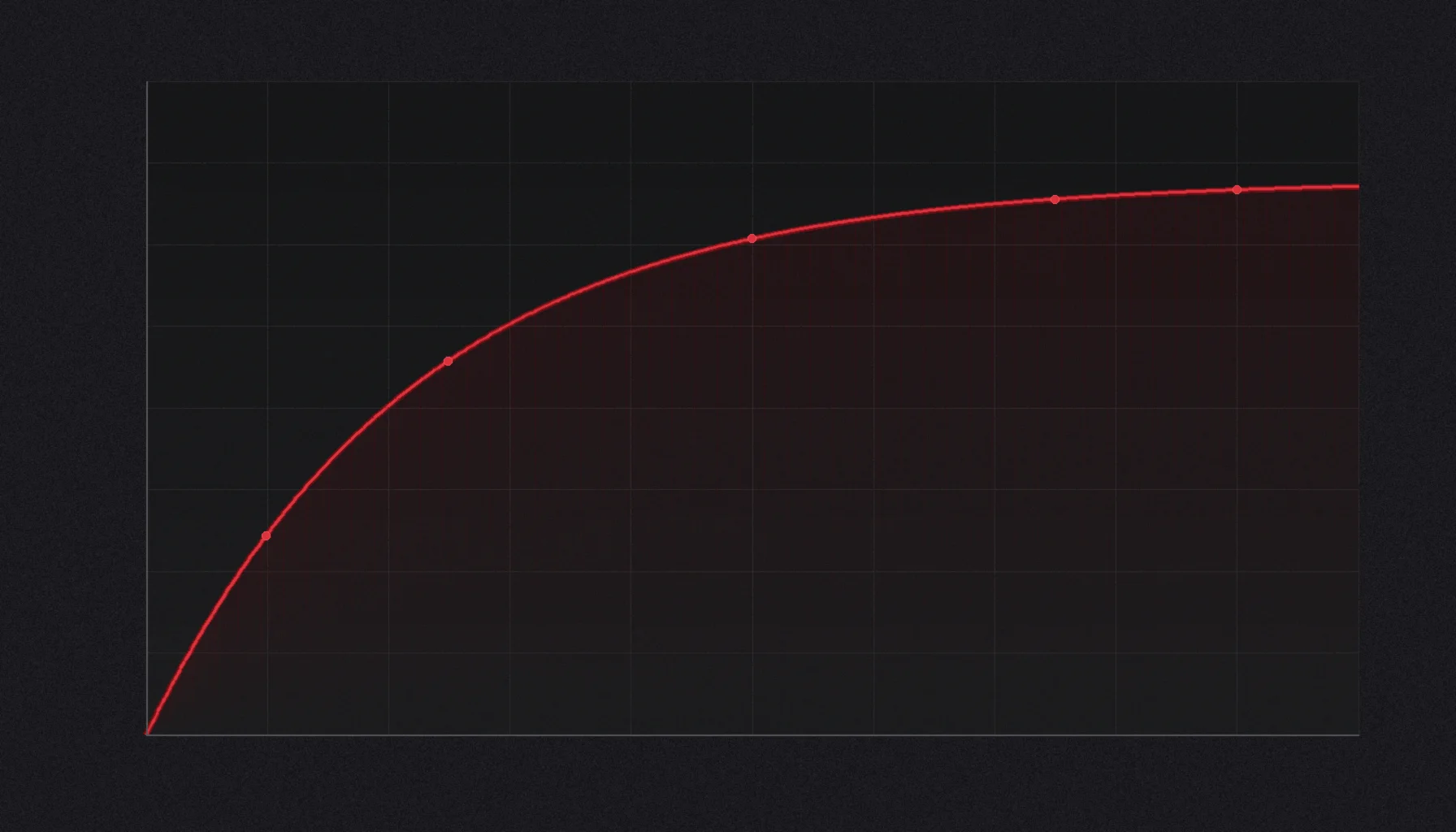
Hotworx at 800 Studios: What the Growth Curve Tells You About Entering a Franchise in Year Eight
Hotworx jumped to #58 on the Franchise 500 with 800+ studios. But the growth rate is decelerating. What the lifecycle curve means for investors entering now.
Read →
The September 30 Loan Number Cutoff: What Happens to Your Hotworx SBA Application When the Calendar Turns
SBA's new rules apply to loans numbered after October 1. If your Hotworx deal is in progress, here's what happens — and what to do this week.
Read →
The Community Paradox: Why Hotworx’s Unmanned Model Bets Against the Biggest Trend in Fitness
Community drives 75-80% retention in boutique fitness. Hotworx is explicitly unmanned. Is this efficient contrarianism or a structural retention risk? The data and what it means for your P&L.
Read →
Mexico, Dubai, and 1,000 Studios: What Hotworx’s Global Expansion Means for Your Domestic Franchise
Hotworx targets 1,000 global studios with Mexico, Dubai, and more. How international growth affects domestic franchisee support, marketing funds, and resources.
Read →
The Resale Financing Dead Zone: Why October’s 10-Year Amortization Cap Makes Most Hotworx Acquisitions Unfinanceable
SBA's 10-year amortization cap doubles debt service on Hotworx acquisitions. Below-median studios become unfinanceable. Here's the math.
Read →
The Passive Investor Lockout: How October’s SBA Rules Kill the Silent Partner Model for Hotworx Studios
SOP 50 10 8.1 caps passive investors at 50% of equity and blocks distributions until payoff. Here's what that means for financing a Hotworx studio.
Read →
The SBA Stacking Play: How the $10M Combined 7(a) + 504 Cap Rewrites Multi-Unit Hotworx Math
The SBA doubled the 7(a) + 504 cap to $10M on July 4. Here's exactly how to stack both programs for a 2-3 studio Hotworx expansion — with October 1 SOP interactions.
Read →
The Salary Replacement Reckoning: What $107K Average EBITDA Actually Means for Your Household Budget
The FDD says $107K average EBITDA. After self-employment tax, health insurance, and lost benefits, your household take-home is $55-70K. Here's the full math.
Read →
The Profitability Benchmark You Won’t Find in the FDD: Why Only 1 in 2 Boutique Studios Actually Make Money
91.2% of boutique studios lack sustainable profitability. Side-by-side P&L analysis reveals whether Hotworx's unmanned model beats the industry's brutal baseline.
Read →
The October 1 Rule Rewrite: How SBA SOP 50 10 8.1 Changes the Math on Financing a Hotworx Studio
SBA's October 1 rule rewrite raises the DSC floor, kills projections, and mandates QoE for $3M+ deals. Here's what it means for Hotworx franchise financing.
Read →
The Boutique Fitness Shakeout: Where Hotworx Stands as the Industry Consolidates
The OTF-Anytime merger, Xponential's struggles, and studio closures are reshaping boutique fitness. Where a $300K infrared franchise fits in the new landscape.
Read →
The 2026 Hotworx FDD Breakdown: What Item 19 Actually Reveals (And What It Hides)
The $330K average tells you almost nothing. Here's how to read Hotworx's Item 19 like a franchise attorney — what's disclosed, what's missing, and five questions to ask.
Read →
The $595 Flat Royalty: Why Hotworx’s Fee Structure Is Either Your Biggest Advantage or a Quiet Liability
The $595/month flat royalty looks great at $50K revenue (1.2%) but costly at $8K (7.4%). Full analysis of when it helps, when it hurts, and the incentive gap it creates.
Read →
Hotworx Franchise Legal Landscape: Lawsuits, Restrictions, and What the FDD Actually Discloses
The Skistimas lawsuit, 25 franchise fees, non-negotiable agreements, and restrictive covenants. The legal due diligence every Hotworx prospect needs before signing.
Read →
The Line Items Nobody Mentions: Every Hidden Monthly Cost of Running a Hotworx Studio
$1,004 in platform fees. $800-$2,500 in electricity. $400-$1,250 in insurance. The complete monthly cost stack nobody publishes — with a table you can drop into your model.
Read →
The Hotworx Marketing Machine: What Mandatory Ad Spend Actually Buys You
$9.86 per lead. But lead ≠ member. Here's the total marketing cost — mandatory program, CRM, local spend — and what real member acquisition actually runs.
Read →
SBA 7(a) Financing for a Hotworx Franchise in 2026: What Changed and What It Costs You
SBSS minimums rose, small-loan threshold dropped, and equity injection is mandatory. Here's what the 2026 SBA changes mean for financing your Hotworx franchise.
Read →
Territory Saturation Check: How to Tell If Your Hotworx Market Is Already Full
424 of 712 Hotworx locations are in the South. Here's how to calculate whether your target market can support another studio before you commit six figures.
Read →
Realistic Hotworx Unit Economics: What a Franchisee Actually Takes Home on $330K Revenue
Best case: $165K. Base case: $23K. Stressed case: -$134K. The honest P&L model nobody else publishes, with every expense line itemized.
Read →
Hotworx vs. Orangetheory vs. F45: A Franchise Investor's Side-by-Side
Not a workout comparison — an investment comparison. Side-by-side on capital required, unit economics, SBA default rates, and staffing models for three boutique fitness franchises.
Read →
The Xponential Effect: What the $17M FTC Settlement Means for Your Hotworx Due Diligence
The FTC's $17M settlement against Xponential Fitness created a due diligence blueprint. Here's how to apply it to your Hotworx franchise evaluation.
Read →
The Reinvention Tell: What FX Zone, Thunder Row, Pro Shop Overhaul, and “Revolution” Messaging Reveal About Infrared’s Revenue Ceiling
FX Zone, Thunder Row, pro shop overhaul, and 'Revolution' messaging — four simultaneous additions signal concept diversification. What it means for investors.
Read →
The Convention Intelligence Playbook: What Prospective Investors Should Actually Extract from the July 2026 Hotworx Convention
The July 2026 Hotworx convention is a goldmine — if you treat it as research, not marketing. What to watch, who to talk to, and what the keynotes won't tell you.
Read →
The Post-Pandemic Attendance Reset: Why 1.5 Visits Per Week Is the New Normal and What It Means for Your Revenue Model
Post-pandemic gym visits dropped 29% to 1.5/week and aren't recovering. Dual impact analysis for Hotworx investors: lower costs vs. faster churn. Which wins?
Read →
The Modality Death Clock: What Cycling’s Collapse From Dominant to 4% of New Openings Tells You About Infrared’s Franchise Lifespan
Indoor cycling collapsed from dominant to 4% of new openings in 6 years. Where does infrared fitness sit on the boutique modality lifecycle? Data-driven analysis for Hotworx investors.
Read →
The GLP-1 Franchise Calculus: How Weight Loss Drugs Reshape the Hotworx Investment Case
GLP-1 drugs will add $6.8B to the fitness market — but growth flows to integrated wellness, not single-modality studios. Three scenarios for Hotworx investors.
Read →
The Big Box Recovery Invasion: What Crunch 3.0’s Infrared Sauna Means for Your Hotworx Investment
Crunch Fitness 3.0 now includes infrared saunas in 550+ locations at $30-$50/month. Here's what the big-box recovery invasion means for Hotworx franchise investors.
Read →
The Double-Clock Problem: When Your Lease and Franchise Agreement Expire at Different Times
Your Hotworx franchise runs 10 years. Your lease runs 5-7. When they expire at different times, you lose leverage in ways that cost $30K-$100K. Here's how to prevent it.
Read →
Hotworx vs. Planet Fitness: The $350K vs. $1.6M Franchise Investment Thesis
A $350K infrared studio vs. a $1.6M value gym. Revenue, earnings, risk, and operator lifestyle compared side-by-side for franchise investors — not gym members.
Read →
The Multi-Modality Arms Race: Why Bundled Wellness Studios Are the Competitive Threat Nobody’s Tracking
Competitors aren't just copying infrared — they're bundling it with cold plunge, LED therapy, and pressotherapy. What multi-modality studios mean for a 10-year Hotworx investment.
Read →
The Fitness-Tech Arms Race: Where Hotworx’s AI Investment Actually Ranks Against Every Competitor
Hotworx launched TrainingTRAX. So did everyone else launch AI. Franchise Times data reveals where Hotworx actually ranks — and what's truly differentiating.
Read →
Red Effect and the Infrared Competitors Nobody’s Profiling: Why Your Market Analysis Is Incomplete
Red Effect has 197 locations. Perspire has 100+. Your Hotworx territory clause protects against neither. The full infrared competitive landscape, mapped.
Read →
Beyond SBA and ROBS: The Complete Financing Landscape for a Hotworx Investment
Seven financing options for your $350-500K Hotworx investment. Capital stack strategies, current rates, and decision framework by investor profile.
Read →
What a Hotworx Failure Actually Costs You: Modeling the Complete Downside Scenario
SBA default, lease exposure, equipment loss — the complete financial anatomy of a Hotworx franchise failure. Model your maximum downside before signing.
Read →
Hotworx vs. Perspire Sauna Studio: Two Bets on Infrared — One Investment Decision
Same infrared technology, opposite business models. Side-by-side analysis of investment, royalties, scale, and unit economics for the two infrared franchise options.
Read →
The Working Capital Runway: Cash Flow Modeling from Signing Day Through Break-Even
Month-by-month cash flow model for Hotworx franchise owners: three scenarios from signing day to break-even, showing exactly how much liquid capital you need beyond the initial investment.
Read →
The True Total Cost of a Hotworx Franchise: What Item 7 Doesn’t Tell You
Item 7 lists $252K-$1.18M. The real all-in number is $30K-$75K higher. Here's every cost the FDD doesn't include and how to build your actual capital plan.
Read →
The Purpose Brands Mega-Merger: What 7,000 Orangetheory-Anytime Fitness Locations Mean for Your Hotworx Investment
Orangetheory + Anytime Fitness created Purpose Brands — 7,000+ locations, $3.5B revenue. What this mega-merger means for Hotworx investors and competitive positioning.
Read →
Hotworx’s Transparency Problem: What the Vetted Biz Threats and Litigation Pattern Tell You About the Franchise Relationship
Hotworx threatened Vetted Biz, faced the Skistimas lawsuit, and discloses ongoing litigation. What the franchisor's transparency posture tells you about the relationship you're entering.
Read →
State Gym Contract Laws: Why Your Hotworx Membership Revenue Model May Not Be Legal Everywhere
At least 30 states regulate gym contracts. Hotworx's 6-month lockup and $99 cancellation fee may not be enforceable in your target market. State-by-state analysis.
Read →
Hotworx’s Proprietary Tech Stack: The Dependency Risk That Gets More Expensive Every Year
SAIL POS, TrainingTRAX, proprietary booking — your entire Hotworx business runs on software you don't control. Here's what that dependency costs over 10 years.
Read →
Pre-Sale Execution: The Variable That Determines Whether Your Hotworx Studio Opens Profitable or Underwater
Studios that opened with 100+ founding members hit break-even by month 8. Those that skipped pre-sale are still catching up at month 14. The full playbook.
Read →
Infrared Safety Regulation: What the 2025 Recall Means for Hotworx Franchisees
The 2025 CPSC infrared sauna recall signals tighter regulation ahead. What Hotworx franchisees need to know about compliance costs, equipment risk, and liability.
Read →
The Semi-Absentee Promise: What Running a Hotworx Studio Actually Looks Like When You Keep Your Day Job
Virtual instructors and 24/7 access make the semi-absentee pitch easy. Here's what running a Hotworx studio actually looks like when you keep your day job.
Read →
The Membership Contract Fine Print: What Hotworx’s Terms Mean for Your Revenue Model
Hotworx's 6-month lockup, 60-day cancellation, and $99 termination fee create a $15K-$30K annual revenue variable depending on your state's consumer protection laws.
Read →
ROBS 401(k) Financing for Hotworx: The Retirement Gamble Nobody Calls a Gamble
Hotworx promotes ROBS 401(k) as debt-free financing. The reality: IRS scrutiny, high failure rates, and your retirement at risk. Full analysis with Hotworx-specific math.
Read →
The Franchise Agreement Clock: What Happens When Your Hotworx Contract Expires at Year 10
Hotworx franchise agreements expire after 10 years. Renewal fees, de-identification costs of $50K-$100K+, and leverage dynamics that change your return model.
Read →
Insurance and Liability in an Unmanned Infrared Studio: The Risk Profile Nobody Discusses
Hotworx's 24/7 unmanned model creates unique liability exposure. Insurance runs $7K-$19K/year. Waivers help but don't eliminate risk. Full due diligence guide.
Read →
The Year-5 Question Nobody Asks: Equipment Lifecycle and Replacement Capex at a Hotworx Studio
Nobody models Hotworx equipment replacement. Infrared saunas, screens, and HVAC need $32K-$68K in year-5 capex. Plan the full lifecycle before you invest.
Read →
What 500+ Employee Reviews Reveal About Running a Hotworx Studio
177 Indeed reviews. 351 Glassdoor reviews. The staffing reality nobody mentions in the franchise pitch — what your employees will actually say about working for you.
Read →
The Infrared Question: Is Your Hotworx Investment Built on Science or a Trend?
Your $260K–$360K Hotworx investment depends on infrared fitness being more than a fad. Here's what the peer-reviewed research says and how to stress-test the thesis.
Read →
Your Hotworx Discovery Day Playbook: 15 Questions That Separate Due Diligence from Tourism
Discovery Day makes you feel ready to sign. These 15 questions — plus a validation call script — turn a franchise sales event into actual due diligence.
Read →
Multi-Unit Hotworx: When the Second Studio Makes Financial Sense (And When It Doesn't)
$10K per additional unit vs $19,950 for the first. Flat royalty scales better than percentage. Here's the multi-unit math nobody publishes — and when it breaks.
Read →
Your First 90 Days as a Hotworx Franchisee: The Timeline Nobody Publishes
From franchise agreement to 350-member presale to month-3 assessment. The operational timeline nobody publishes — with real benchmarks, real costs, and real pressure points.
Read →
The Hotworx Site Selection Playbook: Real Estate, Build-Out, and the Three Lease Mistakes That Kill Studios
1,500-2,500 sqft. $2,500-$7,000/month rent. $100K-$250K build-out. The three lease mistakes that kill boutique fitness studios — and how to avoid them.
Read →
TrainingTRAX and the AI Bet: What Hotworx's New Technology Means for Franchise Investors
Hotworx launched TrainingTRAX AI coaching on April 22, 2026. Here's what it does, whether it improves retention, and what it changes for franchise investors.
Read →
The Xponential Lesson: What the Biggest Boutique Fitness Collapse Teaches Hotworx Investors About Growth Risk
Xponential lost 140 studios, paid $40M in settlements, and cycled 3 CEOs. Here's the framework for spotting the same patterns in Hotworx or any franchise system.
Read →
Your Hotworx Exit Strategy: What It Actually Costs to Sell, Transfer, or Walk Away
$19,950 resale fee. Restrictive covenants. Lease liability. The exit math nobody discusses before you sign — three paths out, with real numbers.
Read →
The Franchisor's Balance Sheet: What Hotworx's $1.5M Deficit and Revenue Decline Mean for You
Hotworx's audited financials show negative net worth and declining per-unit revenue during rapid expansion. What the numbers mean — and five questions for your franchise attorney.
Read →Primrose Schools 23
The Technology Divide: How AI Enrollment, Scheduling, and Compliance Tools Are Splitting Childcare Into Winners and Losers
AI enrollment agents, predictive scheduling, automated compliance. Centers using AI cut admin overhead 34%. What Primrose provides vs. what you'll buy yourself.
Read →
Discovery Day Intelligence: What Primrose’s Headquarters Visit Actually Reveals, What It Deliberately Doesn’t, and the 12 Things to Observe Before You Leave
Discovery Day is a sales presentation. These 12 observations and the questions that generate the most revealing answers turn it into a due diligence operation.
Read →
Primrose vs The Field: An Apples-to-Apples Comparison With Goddard, Kiddie Academy, and KinderCare That Actually Counts All the Fees
Every comparison quotes the 7% royalty. The real fee load is 11-13%. Side-by-side analysis with Goddard, Kiddie Academy, and KinderCare — fees, revenue, and owner earnings.
Read →
The Pre-Opening Marathon: 24–36 Months of Capital Deployed Before Your First Dollar of Revenue
Site selection, permitting, construction, hiring — 24-36 months of capital deployed before opening day. Add the enrollment ramp and it's 42-60 months to cash flow.
Read →
The Affordability Death Spiral: When Rising Tuition, Falling Enrollment, and Educator Wage Pressure Converge Inside Your Primrose P&L
Low wages drive teacher departures, which cuts capacity, which cuts revenue, which prevents wage increases. How the loop works — and what breaks it.
Read →
The Enrollment Funnel: What It Actually Costs to Fill 300 Seats, Why Your Marketing Budget Is Wrong, and the Metric That Matters More Than Conversion
$45-$110 to acquire each family. 16% churn = 48 replacements per year. Q1 2026 leads down 6%. The enrollment economics that should be in every Primrose pro forma.
Read →
The Licensing Lottery: How State Childcare Regulations Create a 67% Staffing Cost Gap Between Your Best and Worst Primrose Territory
Infant ratios of 1:3 vs 1:5 mean 67% more staff in strict states. See how licensing creates a $200K-$400K payroll swing between Primrose territories.
Read →
The CCDF Reversal: Why the July 2026 Rule Change Makes Your Subsidy Revenue a Monthly Coin Flip
The May 2026 CCDF rule lets states revert to attendance-based childcare payments. What that means for Primrose owners with 20-40% subsidized enrollment.
Read →
The Insurance Cost Stack: $35K–$65K in Annual Premiums That Never Appear in the FDD’s Investment Range
Seven required policies stack to $35K–$65K/year for a Primrose franchise. Workers' comp alone runs $24K–$43K. Here's every line item the FDD doesn't show you.
Read →
The Semi-Absentee Trap: Why Childcare Franchising Punishes the Investor Who Doesn’t Show Up
Primrose's $509K EBITDA assumes no owner salary. Add $150K and the math changes. Add absence and enrollment erodes. Why childcare demands on-site ownership.
Read →
EBITDA vs EBITDAR: The $315,000 Gap That Flatters Every Childcare Franchise Comparison
Primrose reports 29% EBITDAR and 18% EBITDA. The $315K difference is rent — and any comparison ignoring it flatters the model by a third of a million dollars.
Read →
The Recruitment Playbook: How Primrose Owners Who Solve the 40% Turnover Problem Build an Unkillable Competitive Moat
40% annual turnover costs Primrose owners $28K–$56K/year. The recruitment and retention playbook that cuts churn to 15% and builds an enrollment moat.
Read →
The $785K Variable: How Your Real Estate Decision Sets the Entire Primrose Investment Equation
Build-to-suit at $637K or new-build at $6.8M — three paths, three fundamentally different investments. How the real estate decision shapes your entire Primrose P&L.
Read →
The Growth Architect: What David Berg’s European Wax Center Playbook Tells You About Primrose’s Next Five Years
David Berg scaled European Wax Center 69% in 6 years. Now he runs Primrose. But childcare scaling breaks every assumption from beauty franchising. Here's why.
Read →
The Universal Pre-K Squeeze: When the Government Competes for Your Most Profitable Age Cohort
22+ states offer free pre-K for your highest-margin age group. Model the enrollment and margin impact before selecting a Primrose franchise territory.
Read →
The Payroll Ceiling: Why 45% of Revenue Is a Floor, Not a Budget Line, and What Happens When It Hits 50%
State-mandated ratios fix Primrose payroll at 45% of revenue. Model what happens at 48% and 50% — where $147K in EBITDA evaporates.
Read →
The Liability Iceberg: Why One Abuse Allegation Costs $200K Even When You’re Innocent — And Why Your Insurance Probably Won’t Pay
Standard GL policies exclude abuse claims. One unfounded allegation: $200K defense costs, 30% enrollment loss, potential closure. What your insurance stack actually needs.
Read →
The CCDF Cliff: How the May 2026 Federal Childcare Subsidy Rollback Creates a New Revenue Risk Layer
Attendance-based payment, co-pay cap removal, and federal funding cuts. How the May 2026 CCDF rollback creates a new revenue risk for every childcare franchise investor.
Read →
The 2026 FDD Update: What CY2025 Data Reveals About Primrose’s Growth-Without-Gains Problem
The 2026 FDD shows AUV flat at $2.66M, top quartile revenue down 5.9%, and profitability concentrating at the top. What the CY2025 data changes about your investment thesis.
Read →
The Fee Stack: What the 7% Royalty Doesn’t Tell You About Primrose’s Real 11–13% Revenue Burden
Four separate fees stack to 11–13% of gross revenue — $300K–$355K/year at average revenue. Here’s every layer the comparison sites miss.
Read →
The Ownership Reset: What Roark Capital’s Exit and Taurus Capital Partners’ Takeover Mean for Your Primrose Investment
Roark Capital sold Primrose after 18 years. Taurus Capital Partners owns both the franchisor AND a Primrose franchisee. What the March 2026 deal changes for buyers.
Read →
The October 1 Reset: How SBA SOP 50 10 8.1 Rewrites the Financing Playbook for Primrose Buyers
DSCR rises to 1.25x, QoE mandatory at $3M+, projections dead for acquisitions. What the October 1 SBA reset means for your Primrose financing plan.
Read →
The Quartile Trap: Why Primrose’s $2.73M Average Revenue Hides a 2.1x Spread That Changes Every Calculation
55% of Primrose locations fall below the $2.73M average. See the quartile-by-quartile P&L breakdown — and what bottom-25% economics actually look like.
Read →School of Rock 15
The 100-Unit Stampede: What the Largest Single-Year Expansion in Company History Means If You’re Already Open
YEB plans 100+ new School of Rock openings in 2026 — 33% growth. What the largest expansion in company history means for instructors, enrollment, and support.
Read →
The $71.7B Enrichment War: Why Your Real Competition Is Mathnasium, Not Another Music School
SoR competes for family budget share against Mathnasium, Code Ninjas, and travel sports — not Bach to Rock. How the $71.7B enrichment market shapes enrollment.
Read →
The Working Capital Valley: Why Item 7’s $15K–$45K “Additional Funds” Leaves 15 Months Uncovered
Item 7 budgets 3 months of working capital. Breakeven takes 18-24 months. Here's what the 15-month gap actually costs a School of Rock franchisee.
Read →
The Glassdoor Due Diligence: What 443 Employee Reviews Tell You That the FDD Can’t
443 Glassdoor reviews reveal patterns the FDD doesn't disclose. What SoR employee experiences signal about the franchise you're evaluating.
Read →
The Channel Conflict Nobody Discusses: When Your Franchisor’s Online Platform Competes With Your Brick-and-Mortar School
School of Rock launched an online platform with 27K students using the same curriculum. The FDD doesn't say if franchisees get any of that revenue. We examine the structural risk.
Read →
The 450-to-480 Sprint: What School of Rock’s Fastest Growth Phase Means for Your Investment
School of Rock hit 450 locations in May 2026 with 100+ new units in three years. We examine what rapid growth across 18 countries means for domestic franchisee territory and revenue.
Read →
The Leadership Reset: How School of Rock Went from Franchise Advisory Committee Dismantlement to Global Franchise Grand Champion
In 2017, School of Rock franchisees documented corporate dysfunction and retaliation. By 2026, the brand won Global Franchise Grand Champion. What changed — and what to verify before investing.
Read →
The Multi-Unit Playbook: When a Second School of Rock Makes Sense — and When It Doubles Your Risk
Multi-unit School of Rock requires $2.5-5M net worth and $29,950 per unit. We break down the real synergies, concentration risks, and math on scaling in non-exclusive territories.
Read →
The Discovery Day Playbook: How to Use School of Rock’s Final Step as a Due Diligence Checkpoint, Not a Sales Event
Discovery Day is a sales event disguised as a meet-and-greet. We show you the five questions nobody asks, the validation calls to make first, and the red flags that should stop a $500K decision.
Read →
The Non-Exclusive Territory Gamble: Why School of Rock’s Growth Targets Should Make Prospective Franchisees Nervous
YEB plans 100+ new School of Rock units in 2026. The FDD grants non-exclusive territory. We examine what aggressive growth targets mean for franchisees worried about encroachment.
Read →
The Instructor Problem: Why School of Rock’s Business Model Lives and Dies on Part-Time Musicians
School of Rock depends on part-time musicians who teach. When they leave, students follow. We examine the labor risk that most franchise analyses ignore completely.
Read →
The $425K Illusion: Why the Real Cost of Opening a School of Rock Is Closer to $700K
The FDD says $425K minimum. Reality: technology fees, insurance, working capital, and mandatory costs add $117K+. We build the realistic budget line by line.
Read →
The Fee Stack Reckoning: What 14% of Gross Revenue Actually Costs a School of Rock Franchisee
School of Rock charges up to 14% of gross sales in combined fees. At median revenue, that's $90K/year. We do the math at three revenue levels and compare to alternatives.
Read →
The NOI That Isn’t Yours: Why the Only Profitability Number in School of Rock’s FDD Belongs to Corporate — Not to You
The only profitability figure in School of Rock's FDD — $207K, 22.4% NOI — comes from company-owned schools. No franchised NOI is disclosed. Here's why.
Read →
The 38% Gap: Why Company-Owned School of Rock Locations Outsell Franchisees by a Quarter Million Dollars
Company-owned School of Rock schools average $925K vs $672K for franchisees. We break down the FDD data, explore what drives the 38% gap, and show what it means for your investment model.
Read →Kiddie Academy 14

The 45F Credit: How the 2026 Tax Overhaul Gives Kiddie Academy Builders Up to $600,000 Back
The enhanced 45F credit gives childcare builders up to $600K in tax credits. Here's how it applies to a Kiddie Academy franchise investment.
Read →
The Family-Owned Exception: What Three Generations of Miller Ownership Means When Every Competitor Sold to Private Equity
Primrose, Goddard, and School of Rock all sold to private equity. Kiddie Academy is still family-owned. Why the ownership structure matters for franchisees.
Read →
The Resale Valuation Gap: Why Your Kiddie Academy Is Worth Less Than the FDD’s Headline Number Implies
Franchise resale multiples use SDE, not gross profit. After real costs, Kiddie Academy's SDE is well below $559K — and the valuation gap is $500K+.
Read →
The Build-or-Lease Fork: How a $2M Decision Rewrites Every Number in Your Kiddie Academy Pro Forma
The FDD shows $590K–$1.01M (lease). Build runs $3.8M–$6.0M. Different capital, different SBA paths, different timelines. How to model the fork.
Read →
The Exit Math: What Walking Away from a Kiddie Academy Franchise Actually Costs — and Why Exit Planning Starts Before You Sign
Selling a Kiddie Academy costs $50K in transfer fees plus a referral fee. Termination triggers $305K in liquidated damages. Model the exit before you sign.
Read →
The October 1 Squeeze: How SBA SOP 50 10 8.1 Rewrites Kiddie Academy Financing Math — Especially During the Ramp
SBA's 1.25x DSCR floor hits October 1. Kiddie Academy's ramp revenue of $1.62M makes the math tight. Here's what changes for buyers.
Read →
The 9% Advantage: What Kiddie Academy’s Lighter Fee Load Actually Leaves You Compared to Primrose and School of Rock
Kiddie Academy charges 9% of gross vs Primrose at 11–13% and School of Rock at 14%. On mature revenue, that gap is $87,600 per year.
Read →
The Year-Over-Year Drop: What Kiddie Academy’s 2026 FDD Reveals That Last Year’s Filing Didn’t
The 2026 FDD shows Kiddie Academy investment up $185K while gross profit fell. Year-over-year analysis no aggregator provides.
Read →
The 344-Franchisee Phone List: How to Run Validation Calls That Actually Reveal What the FDD Won’t Tell You
Item 20 gives you contact info for 344 Kiddie Academy franchisees. Here's a structured 12-day validation protocol — the questions, the segments, the patterns.
Read →
The Primrose Decision: What a Kiddie Academy Buyer Sees When They Walk Through the Other Door
KA at $590K and 9% fees vs Primrose at $742K and 11–13%. One discloses profit, the other doesn’t. Which buyer profile fits which brand.
Read →
The Bottom-Quarter Warning: Why −$318K Gross Profit in Year One Is in the FDD and Nobody Talks About It
The average ramping academy makes $308K gross profit. The bottom quarter loses $318K. A $627K spread that determines whether you survive.
Read →
The Conditional Territory: Why Exclusivity Disappears Where You Most Want It
Kiddie Academy's territory shrinks as population rises and vanishes above 125,000 within a mile — often in the exact suburbs where demand is highest.
Read →
Gross Profit Is Not Your Paycheck: What the $559,914 Disclosure Actually Tells You
The FDD reports $559,914 average gross profit for mature academies. Here are the three cost layers between that number and what an owner actually keeps.
Read →
The Ramp Gap: Why Your First Two Years Will Generate $574,000 Less Than the Number Everyone Quotes
Kiddie Academy's FDD splits revenue by maturity: $1.62M ramping vs. $2.19M mature. Here's how to model the $574K gap into your pro forma.
Read →The Goddard School 14
The $20K Tuition Filter: How to Know Whether Your Market Can Actually Support a Goddard School
Goddard’s $20K+ tuition requires $150K+ household income. 51% of census tracts are childcare deserts — but most can’t support premium pricing. The site selection math.
Read →
The SBA 504 Path: Why Goddard’s Real Estate Model May Be the Best Fit for the Government’s Cheapest Commercial Loan
Goddard’s owner-occupied real estate model is a perfect fit for SBA 504 — fixed rates, 10% down, and an interest reserve that covers payments during enrollment ramp.
Read →
The Sycamore Factor: What Private Equity Ownership of Your Franchisor Means for Your 15-Year Bet
Sycamore Partners bought Goddard in 2022. Since then: accelerated growth, fee increases, multi-unit consolidation. What PE ownership means for your 15-year bet.
Read →
The 15-Year Lock: What Goddard’s Franchise Agreement Actually Says About Your Rights, Restrictions, and Renewal
Goddard’s 15-year term is the longest in childcare franchising. Renewal means signing a new agreement. Here’s what the contract says about your rights and exit.
Read →
The Insurance Crisis: Why Liability Premiums Are the Sleeper Cost That Could Reshape Your Goddard P&L
NAEYC found 65% of childcare providers face closure from insurance costs. A Goddard school’s premiums run $40K-$80K/year — and the FDD doesn’t break it out.
Read →
The Transfer Fee Stack: $87,500 in Exit Costs and What It Means for Your Goddard Resale Math
Selling a Goddard franchise triggers $87,500 in transfer fees before broker costs. At typical childcare multiples, that’s 16-18% of your goodwill. The full exit math.
Read →
The FUND Score Halo: What Goddard’s 930 Rating and 1.2% Default Rate Actually Mean for Your SBA Application
Goddard's 930 FUND score and 1.2% SBA default rate are the strongest lending credentials in childcare franchising. Here's what they actually mean for your specific deal.
Read →
The Validation Call Playbook: 25 Questions That Surface What the FDD Cannot Tell You About Owning a Goddard School
The FDD tells you what Goddard discloses. Validation calls tell you what it's like to live inside those numbers. 25 childcare-specific questions, organized by risk.
Read →
The 18-Month Cash Drain: What Nobody Tells You About Goddard’s Enrollment Ramp and the Capital You Actually Need
Goddard's $350K liquidity requirement is the floor, not the ceiling. Construction delays, full staffing on partial enrollment, and 18-24 month breakeven — the real capital math.
Read →
The GSFOA Complaint: What a Franchisee Association’s Challenge to Goddard’s FDD Means for Your Due Diligence
A franchisee association representing 100+ Goddard locations filed a complaint about FDD disclosure practices. Here's what it says and the questions it raises.
Read →
The Staffing Math: Why Your State’s Licensing Ratios Are the Biggest Variable in Your Goddard P&L
State licensing ratios create a 30-40% labor cost gap between Goddard locations. Colorado's 1:4 infant ratio vs Kentucky's 1:5 compounds across every age group.
Read →
The Subsidy Shield: Why Goddard’s Premium Price Point May Be Its Best Defense in 2026’s Childcare Market Upheaval
KinderCare closed 49 centers in three months. Goddard closed one school in all of 2025. The difference is price point — and the 2026 CCDF rule is about to test whether that advantage holds.
Read →
The 11.2x Spread: What $574K vs $6.4M in Goddard School Revenue Actually Tells You About Your Odds
Goddard’s $2.5M average revenue masks a spread from $574K to $6.4M. The distribution shape matters more than the headline. Here’s the math that actually helps.
Read →
The Three-Path Investment: Why Every Goddard School Cost Figure Online Is Answering the Wrong Question
Goddard costs $1.0M, $1.7M, or $5.5M+ depending on how you open it. Every aggregator blends these into one misleading range. Here’s what the FDD actually shows.
Read →Kumon 8

The $40,000 Question: What Kumon’s Incentive Package Actually Covers, What It Doesn’t, and How It Compares
Kumon offers up to $40,000 in first-year incentives including rent subsidy, furniture, signage, and marketing support. Here is what each component covers and what it does not.
Read →
The SBA Lending Landscape: What 115 Loans and a 7% Default Rate Tell You About How Banks Actually Evaluate a Kumon Franchise
Kumon has roughly 115 SBA loans with a 7% default rate. But the missing Item 19 changes how banks underwrite. Here is how lenders evaluate a franchise with no financial performance data.
Read →
The Working Capital Drain: What Negative $35K in Year One Means When the Franchisor Won’t Tell You What Year Two Looks Like
Kumon does not publish financial performance data. Third-party estimates put year-one cash flow at negative $15K to $35K. Here is the month-by-month model and what reserve you actually need.
Read →
The AI Tutoring Question: Whether a $7/Month App Replaces What a $200/Month Kumon Centre Does
Khanmigo costs $7/month. Kumon costs $200. We analyse whether AI tutoring is an existential threat to Kumon's franchise model — or an irrelevant comparison.
Read →
The Five-Year Leash: What the Shortest Agreement Term in Franchising Means for Your Exit, Your ROI, and Your Leverage
Kumon's agreement is 5 years — the shortest franchise on this site. We analyse what that means for payback, renewal leverage, resale value, and your exit plan.
Read →
The 1,705-Name List: How to Run Validation Calls That Surface What Kumon’s Missing Item 19 Cannot Tell You
Kumon publishes no Item 19. Item 20 gives you 1,705 names. Here are the 15 questions that build the financial picture the FDD does not provide.
Read →
The 20% Question: What Kumon’s Franchise Closure Rate Actually Tells You About the Business You’re Buying
Multiple sources cite a ~20% annual closure rate for Kumon franchises. We break down what the number includes, why it's high, and what it means for your decision.
Read →
The Break-Even Headcount: How Many Students Your Kumon Centre Actually Needs Before You Take Home a Dollar
How many students does a Kumon centre need to break even? We build the model from rent, wages, and the $38/student royalty. The math nobody else has published.
Read →Club Pilates 6

The 12% Waterfall: What Club Pilates’ Fee Load Actually Leaves You After Revenue, and Why the Median Matters More Than the Average
Club Pilates takes ~12% of gross revenue in fees. Build the full waterfall from $969K median revenue to owner cash flow at each FDD quartile — and see where it breaks.
Read →
The Instructor Bottleneck: Why the Reformer Boom’s Supply-Side Constraint Is Your Biggest Club Pilates Operating Risk
Labor is 35% of studio revenue, and every reformer brand is recruiting from the same certified instructor pool. The supply-side risk nobody covers.
Read →
The Change-of-Control Question: What Xponential’s Sale Process Means for the Franchise Agreement You’re About to Sign
Xponential hired Jefferies to explore a sale. What happens to your 10-year franchise agreement if the parent changes hands — and five questions for your attorney.
Read →
The FTC Checklist: 7 Things the $17 Million Settlement Tells Every Prospective Club Pilates Buyer to Verify
The FTC's $17M settlement with Xponential tells buyers exactly what to verify. A practical checklist built from the specific allegations in the proposed order.
Read →
The 1.9x Question: What Club Pilates’ Quartile Spread Actually Tells You About Revenue Predictability
Club Pilates' Item 19 shows a 1.9x top-to-bottom quartile spread across 849 studios — compared to 11.2x at Goddard. What this means for your investment risk.
Read →
The Two-Picture Franchise: Why 1,029 Studios and −5% Same-Store Sales Can Both Be True at Once
1,029 studios and -5% same-store sales aren't contradictory — they're a saturation pattern. How to determine which picture applies to your specific market.
Read →